
AI Overviews are changing how people interact with Google. Today, people no longer need to scroll through multiple links on the Search results page. Instead, they receive AI-generated summaries that give rapid answers at the top. This change is making more zero-click searches and fewer traditional clicks, which is changing how people look all over the United States.
For businesses, this means visibility matters more than ever. If your content appears inside these summaries, you gain stronger Search visibility and long-term brand trust. Understanding how AI Overviews work is now essential for protecting your traffic, authority, and future growth in an AI-driven search environment.
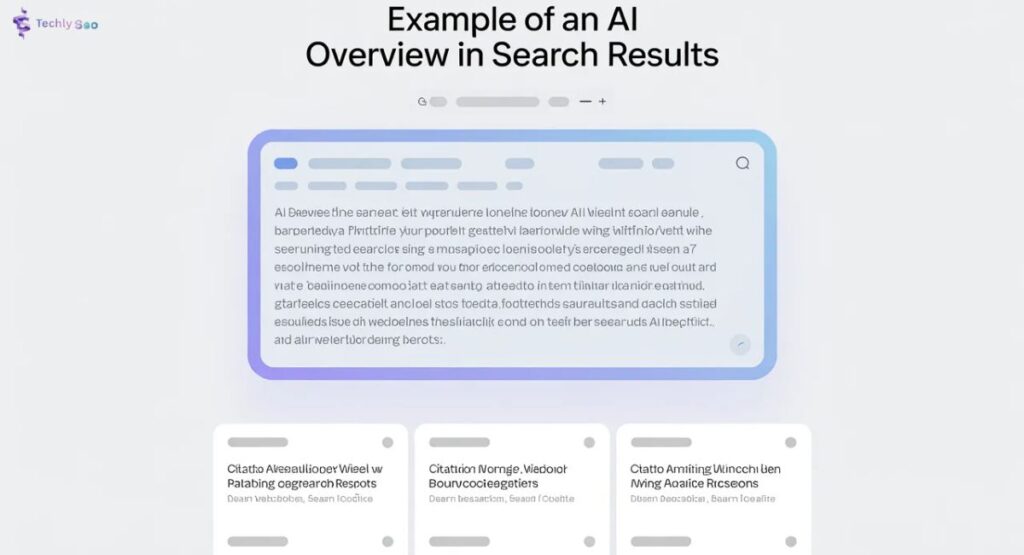
What Are Google AI Overviews?
Google AI Overviews are recaps that are made by AI and show up at the top of the Search results page. Instead of listing only websites, Google uses Information synthesis to combine insights from multiple sources. It gives a clear answer with references. A lot of the time, these summaries show up before Knowledge panels, People Also Ask parts, and featured snippets.
This shift changes Search behavior. Users read the summary and often stop there. That creates Zero-click experiences where no one clicks through. However, if your site becomes one of the trusted AI citation sources, you gain powerful Brand visibility and long-term Digital visibility.
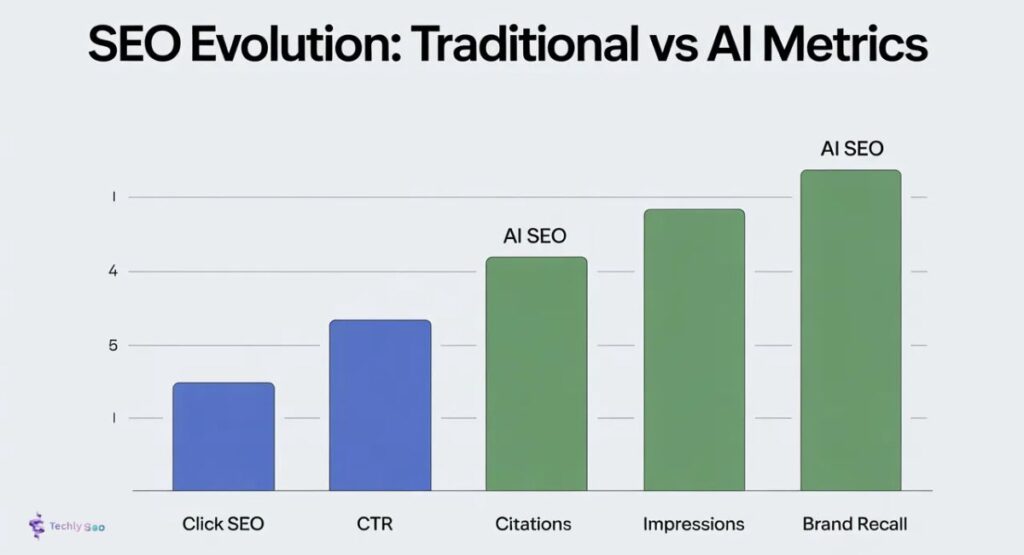
AI Overviews vs Traditional Organic Rankings
Traditional rankings rely on position. AI Overviews rely on Content authority, Search intent, and strong Ranking signals. In the past, ranking number one meant high clicks. Today, appearing inside the AI box may matter more than being first below it.
| Feature | Traditional SEO | AI Overviews |
| Placement | Blue links | AI summary box |
| Traffic focus | High CTR | High visibility |
| Optimization | Keywords | Entity-based content |
| Impact | Direct clicks | Influence + brand recall |
How Do Google AI Overviews Work?
To understand how to appear in AI Overviews, you must understand the system. Google uses advanced Search engine algorithms combined with large language models. These systems analyze Natural language queries, detect Query triggers, and gather relevant sources. To power AI Overviews, advanced search engine algorithms work alongside large language models.
The system evaluates user behavior signals, E-E-A-T (Experience, Expertise, Authority, Trust), and technical SEO best practices. Pages with strong Structured data, proper Schema markup, and clean Content structure improve their chances.
Signals Google Uses to Select Sources
Google selects content based on measurable quality factors. These include strong Authority signals, clear answers, expert authorship, and logical structure. Pages that match clear Search intent perform better than generic posts.
If your content loads quickly, supports Mobile optimization, and maintains strong Site speed, it sends positive technical signals. When you combine this with rich Topic coverage, your page becomes easier for AI systems to extract.
What Types of Searches Trigger AI Overviews?
AI Overviews often appear for informational searches. These include complex questions, comparisons, and multi-step processes. For example, a user searching “How to reduce shipping costs in the USA” may trigger an overview because the system detects layered intent.
Queries written in Conversational search style also activate AI summaries. Many Americans now use voice assistants and type full sentences. This increases the importance of Long-tail queries and clear Conversational phrasing.
High-Intent Queries That Frequently Trigger AI Overviews
Searches that involve research, strategy, or decision-making trigger AI results more often. Business-related questions, healthcare guidance, and financial comparisons commonly show summaries.
These searches influence the full Customer journey. A user might read the overview, later perform Branded searches, and eventually convert. That is why impressions now matter as much as clicks.
What is zero-click search, and how do AI overviews speed it up?
When visitors get answers without going to a website, this is called a zero-click search. Featured snippets and Knowledge panels were the first to start this trend. AI Overviews accelerate it because summaries now cover entire topics in one place.
According to research from https://sparktoro.com, zero-click behavior continues to rise in the United States. This reduces Organic click-through rate (CTR) yet increases Search impressions. Brands must shift their focus from traffic alone to authority and presence.
Does Zero-Click Mean Zero Opportunity?
Zero-click does not mean zero growth. It means the rules changed. When users repeatedly see your brand cited in AI Overviews, they build trust.
Over time, this improves recall and boosts direct visits. Strong Search intelligence strategies measure visibility, mentions, and assisted conversions instead of only clicks.
Why Ranking in AI Overviews Matters for Modern SEO
Ranking inside AI Overviews builds trust faster than traditional listings. When Google references your site within a summary, it signals authority. This creates stronger Brand visibility and long-term recognition.
Modern SEO is no longer about traffic alone. It is about influence within the AI-driven search landscape. If you dominate AI summaries, you dominate awareness at the top of the funnel.
AI Visibility vs Traditional Traffic Metrics
Traditional metrics focus on traffic volume. AI visibility focuses on positioning inside summaries.
| Metric | Old SEO Focus | AI SEO Focus |
| Success Measure | Clicks | Citations |
| KPI | Traffic | Visibility |
| Strategy | Keywords | Entity-based content |
| Optimization | Rankings | Authority |
How to Appear in Google AI Overviews (Step-by-Step Strategy)
If you want to master how to appear in AI Overviews, start by building Content authority. Write comprehensive articles that fully answer real questions. Use strong headings and logical flow.
Make it easy for AI systems to read your material.
Next, add Schema markup, like FAQ schema, to help computers grasp the context. Follow the best techniques for technical SEO, speed up your site, and make mobile optimization even better. Build topical clusters to increase Topic coverage and reinforce authority.
Quick Strategic Checklist for How to Appear in AI Overviews
Create deep content that answers real user problems. Align with Search intent. Use clear headings. Improve technical health. Strengthen authority through case studies and data. Update content regularly after major Algorithm updates.
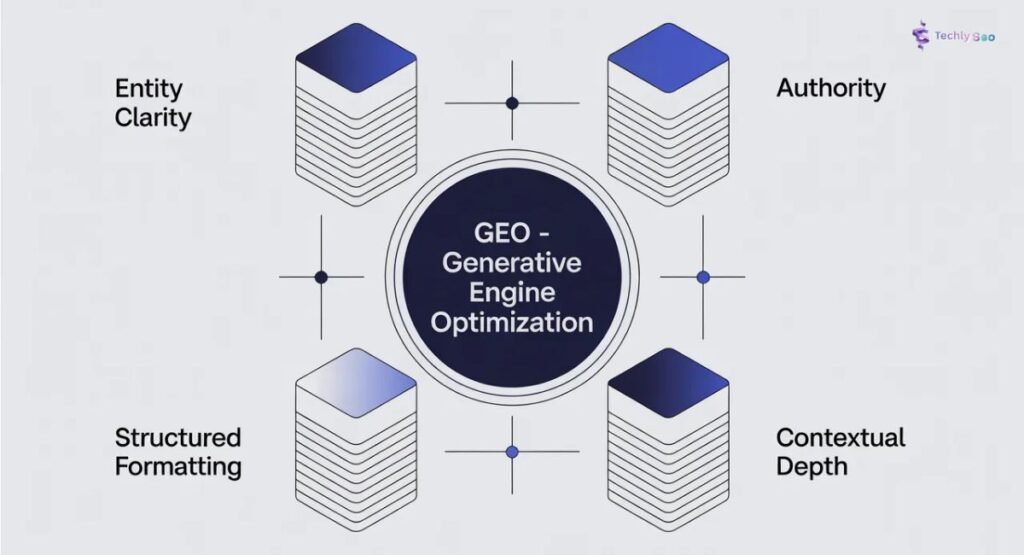
SEO for AI Search (GEO – Generative Engine Optimization)
Generative Engine Optimization focuses on preparing content for AI systems. Traditional SEO tactics focus on keywords. GEO focuses on context, structure, and entities.
This method aligns with Artificial intelligence in search. It strengthens relevance through semantic clarity. It ensures your content works within modern Search engine algorithms.
Core Pillars of GEO
GEO relies on entity clarity, authority building, structured formatting, and contextual coverage. When you combine semantic signals with deep research, you align with how AI systems extract data.
Content Optimization for LLM-Powered Search
LLM-powered systems reward structured and direct answers. Use short paragraphs and clear explanations. Match Natural language queries. Maintain clean Content structure to improve extraction accuracy.
Focus on layered explanations. Provide examples. Add supporting data. Use internal links. Improve clarity so your page becomes easy for AI summarization.
Writing Style That AI Models Prefer
AI models prefer clarity, authority, and depth. They favor organized information and logical flow. They depend on short, unambiguous titles and explanations.
Google Core Update in February 2026 and Its Effect on AI Search
The February 2026 update emphasized content credibility. It strengthened Ranking signals tied to trust and authority. It reduced visibility for thin pages lacking depth.
Websites with strong E-E-A-T (Experience, Expertise, Authority, Trust) improved performance. Pages with weak authority declined. This confirms that expertise matters more than ever.
What US Businesses Should Adjust Now
Audit your content. Remove thin articles. Expand detailed guides. Improve structure. Strengthen authority. Monitor performance after each update.
Practical Next Steps to Future-Proof Your SEO Strategy
Start by reviewing your top pages. Improve clarity and depth. Add structured data. Expand long-tail coverage. Monitor which queries trigger AI summaries.
Focus on consistent publishing. Update older posts. Build topical clusters. Strengthen authority over time. That is how to appear in AI Overviews consistently.
30-Day Optimization Roadmap
Week one involves auditing content. Week two improves technical health. Week three expands deep topic clusters. Week four tracks AI visibility and impressions.
Final Thoughts on How to Appear in AI Overviews
Learning how to appear in AI Overviews requires adaptation. Search is evolving. The brands that win understand structure, authority, and AI systems.
In the new AI-powered era, you establish yourself as a reliable source if you prioritize technical brilliance, clarity, and competence.
FAQs
How to be featured in AI Overviews?
Create high-quality, well-structured, authoritative content that directly answers search intent and follows Google’s E-E-A-T guidelines.
How do you get your name on AI Overview?
Build strong topical authority, earn quality backlinks, and publish expert content that Google trusts as a reliable source.
How do AI Overviews appear?
AI Overviews appear when Google’s AI systems determine that a summarized answer will help users better understand a complex or informational query.
How to get AI Overview to show?
Target informational queries, use clear headings and concise answers, and optimize content for semantic search and structured data.
How to get listed in Google AI overview?
Ensure your site is technically optimized, trustworthy, frequently updated, and cited by authoritative websites in your niche.
How to trick the AI Overview?
You cannot safely trick AI Overviews; instead, focus on ethical SEO practices because manipulation attempts can harm your rankings.