
AI-powered supply chains with predictive analytics are changing how US businesses plan and operate. They also help companies respond faster to changing market demands. They also help companies respond faster to changing market demands. As global demand becomes more complex, US retailers, manufacturers, and logistics companies rely on predictive supply chain tools. Predictive tools improve forecast accuracy and reduce risks. They also unlock efficiency levels that were not possible ten years ago.
The US is entering a time when supply chains can send alerts before problems happen. Fast growth in digital commerce, real-time data, and advanced AI technologies makes this possible. These systems can also quickly suggest the best shipping route and automatically change inventory optimization strategies. This article explains how AI-powered supply chains work using real examples from major U.S. companies. It also explores key trends that will shape future business operations.
What i Predictive Analytics in the Supply Chain?
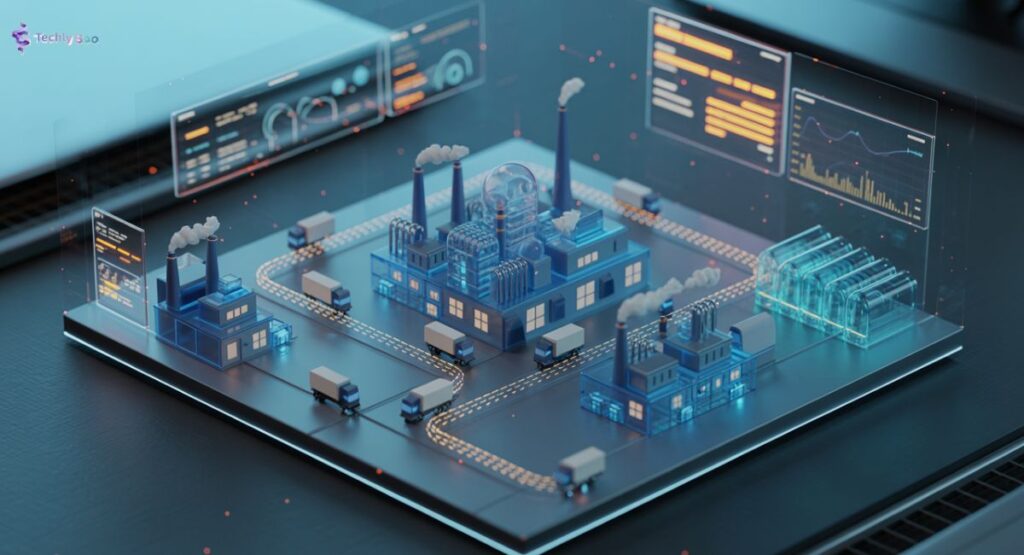
Supply chain predictive analytics uses advanced analytics and statistical models to forecast future outcomes. These include regression analysis, data mining, and time-series forecasting. Companies across the United States use these strategies to improve supply chain visibility. They help businesses prepare for supply chain disruptions. These insights also support faster decision-making across manufacturing, delivery, warehousing, and procurement. A strong predictive strategy turns raw data into useful insights. This reduces uncertainty and eliminates wasteful spending.
Machine learning algorithms constitute a significant component of how contemporary AI-driven supply chains generate forecasts. These tools learn from things like weather, trends in the market, past sales, and how people act during certain times of the year. These models help businesses avoid running out of stock, get rid of extra stock, and keep up with changes in demand in the US. market as get better.
How Predictive Analytics Works in Supply Chain Operations
Predictive analytics works by collecting both real-time and historical supply chain data. This data comes from ERP systems, transportation networks, IoT sensors, customer orders, and supplier performance logs. This information is fed into predictive models. These models use AI techniques, regression analysis, and time-series forecasting to generate accurate predictions. Because of this, businesses may better analyze demand trends, spot hazards, and improve processes that are based on data.
In the US supply chain, predictive systems also mimic real-world situations by changing demand and supply factors. Companies can also see how operations are affected by sudden increases in demand, supplier breakdowns, or transportation delays. These simulations assist the firm make better decisions and coming up with better ways to deal with risks over time.
Key Components of Predictive Analytics in AI-Powered Supply Chains
Data, Artificial intelligence models, automation tools, and supply chain technologies are the four main parts of modern predictive analytics. The foundation starts with a thorough analysis of high-quality historical data, such as records of supplier performance, logistics tracking, demand, and costs.
AI-powered analytics is the second most important part. This is where machine learning algorithms find patterns that other systems can’t see. The third part is automation, which IoT devices, cloud platforms, and advanced planning software make possible. Finally, skilled teams make sure that the data and statistics are correct, which lets businesses turn predictions into real results.
Top Use Cases in Predictive Supply Chain Management
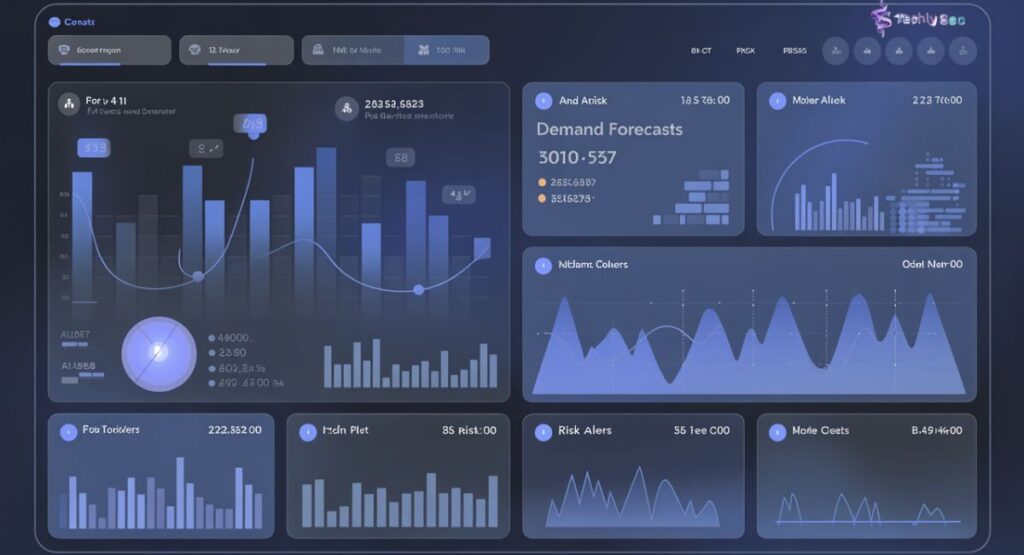
Predictive analytics supports demand forecasting and inventory optimization. It also helps predict equipment failures, improve warehouse productivity, and enhance customer service. Walmart and Target are two U.S. stores that use predictive systems to change the availability of products in stores and online based on things like seasonal demand, weather patterns, and sales events.
Another great use case is finding supplier risks. Companies think about problems with quality, delivery, money, and political risks. Tesla and General Motors, for example, use this information to protect their supply chains, make better guesses about freight rates, and make U.S. logistics networks work better at getting things where they need to go.
Predictive Analytics for Logistics and Transportation Optimization
Predictive analytics aids in route planning, fuel economy, and delivery time acceleration in logistics and transportation. For instance, UPS uses real-time traffic forecasts and transportation route analysis to expedite deliveries and eliminate delays nationwide. Logistics companies use predictive technologies to identify bottlenecks and estimate delays. These systems also monitor weather conditions that could affect delivery schedules. U.S. airlines, transportation businesses, and port operators currently use predictive logistics technology to reduce costs and speed up deliveries nationwide.
Real Examples of AI-Powered Supply Chains Using Predictive Analytics
Amazon keeps an eye on millions of SKUs, guesses how many customers will want them, and plans how to use robots and AI to run its warehouses using predictive analytics. Walmart uses similar algorithms to restock its shelves when customer needs change or when trends in the area change.
UPS uses machine-learning algorithms in its ORION system to find the best delivery routes. Tesla can see supplier risks months ahead of time by closely watching how well they do their jobs. FedEx, on the other hand, checks the weather, package conditions, and route problems in real time to make sure trucks don’t get held up. Everything in these cases works better all over the United States because they use AI to power supply chains and predictive analytics.
Challenges in Implementing Predictive Analytics
Predictive analytics offers many benefits, but it also presents challenges. Many businesses struggle with poor data quality and outdated systems. Fragmented databases also make real-time analysis difficult. Predictive models can give wrong results if they don’t have strong data to work with.
Picking the right predictive platforms is another problem. A lot of companies have a hard time checking how accurate their models are and adding new systems to their current workflows. It’s also important to train employees; if they don’t get the right training, they won’t be able to use predictive insights to their full potential.
Best Practices for Effective Predictive Analytics Adoption in AI powered supply chain
Predictive analytics works best when businesses establish strong fundamentals first. Think of it like building a structure: An unsteady foundation prevents everything from aligning correctly. As a result, having precise data, reliable data gathering procedures, and a clear grasp of the particular areas you want to improve are crucial. You can progressively seek more challenging goals once that phase becomes doable. Indeed, rather of working in separate silos, it is quite advantageous when analysts, IT staff, and managers connect with each other.
And when it comes to long-term success, it’s not just about the tech. People need to know how to read the insights and actually use them. Models also get old pretty fast, so updating them isn’t optional. Data quality also needs attention all the time — kind of like maintenance. Plus, teaming up with AI or cloud companies can make things a lot easier because they already know what tools work and what doesn’t. It just speeds everything up and usually leads to better predictions.
Future Trends in AI-Powered Supply Chains Using Predictive Analytics
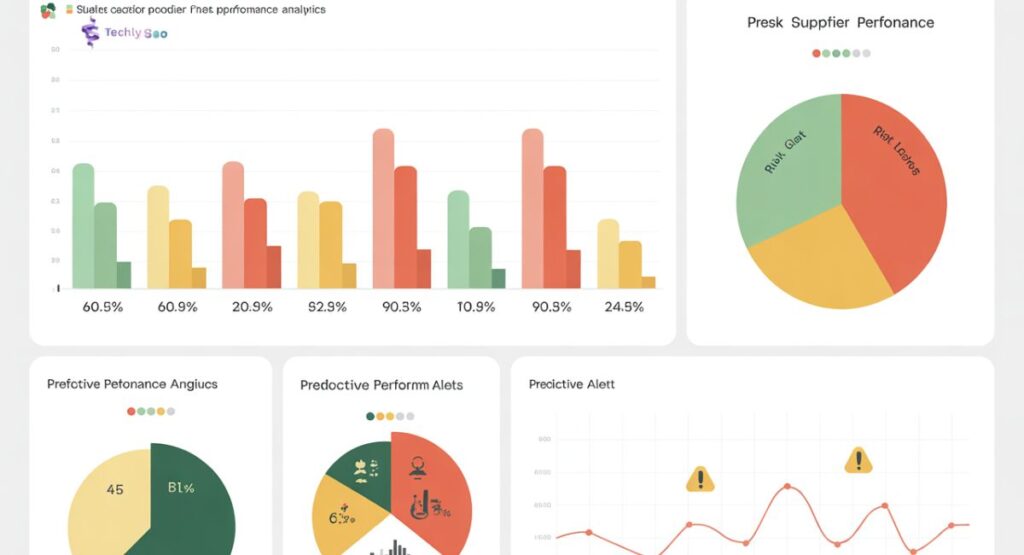
Digital twins, real-time AI forecasting, and advanced machine learning will shape the future of AI-powered supply chains. Autonomous logistics networks will also play a major role. Digital twins will let businesses test out entire supply chains and run “what if” scenarios before they make decisions.
Experts anticipate that generative AI will create completely new opportunities, assisting companies in better production planning and anticipating geopolitical shifts. In the meanwhile, in order to improve supply chain resilience and lower risks, Autonomous cars, drones, and robotic warehouses will increasingly rely on predictive systems. As these developments progress, the U.S. supply network will progressively become smarter, more efficient, and far more flexible.
Final Thoughts
By improving prediction accuracy, reducing risks, and strengthening operations, predictive analytics is revolutionizing US. supply chains. The future of supply chain management, from Walmart to UPS, will be AI-powered supply chains that employ automation, predictive analytics, and data-driven decision-making. Companies that use these tools now will have a long-term edge over their competitors.
FAQs
1. What are AI-powered supply chains using predictive analytics?
AI-powered supply chains using predictive analytics combine machine learning, historical data, and forecasting tools to predict demand, identify risks, and optimize logistics operations.
2. How does predictive analytics improve supply chain efficiency?
Predictive analytics improves efficiency by forecasting demand accurately, preventing stockouts, reducing excess inventory, and identifying potential disruptions before they occur.
3. Which U.S. companies use predictive analytics in their supply chains?
Major U.S. companies like Amazon, Walmart, UPS, Tesla, and FedEx use predictive analytics to enhance forecasting, automate routing, and monitor supplier performance.
4. What challenges do businesses face when implementing predictive analytics?
Common challenges include poor data quality, outdated systems, lack of skilled talent, and difficulty integrating predictive tools with existing supply chain platforms.
5. What is the future of AI-powered supply chains?
The future includes digital twins, real-time AI forecasting, autonomous logistics systems, drones, robotics, and generative AI models that improve planning and reduce risks.