
Generative AI & LLMs isn’t just a thing of the future in 2026; generative AI is now a useful tool that’s changing the way we live and work. This advanced form of artificial Intelligence is making things smarter and faster across all fields, from writing emails to making whole business reports.
Large Language Models (LLMs) are at the heart of this technology. Deep learning enables them to comprehend and produce language that resembles human speech. This change is being led by tools like GPT-3, GPT-4, and ChatGPT that make contact easy and smooth. For people in the US who are just starting out, learning how generative AI and LLMs work can open up a world of options, from customer support automation to making artistic content.
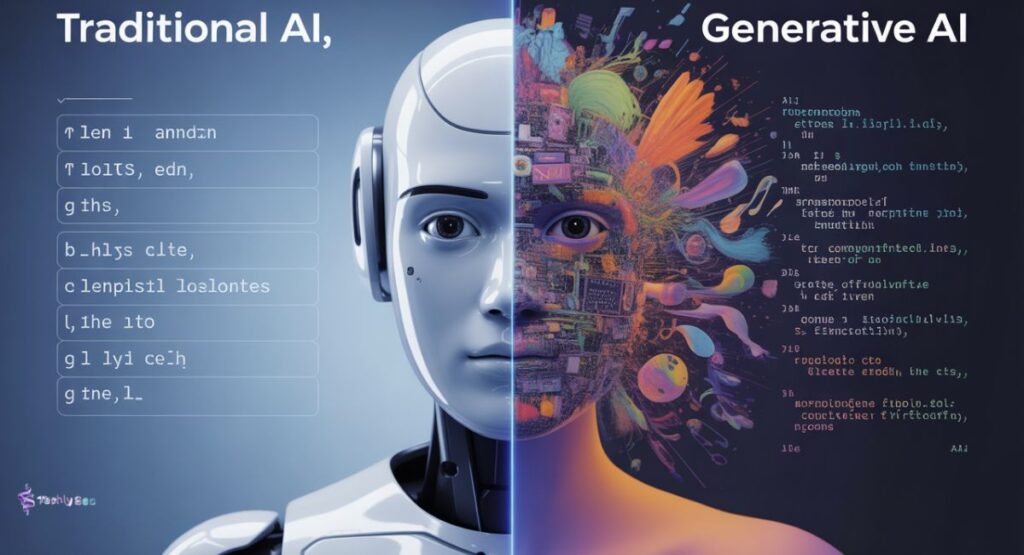
What is Generative AI? (Explained Simply)
Generative AI refers to systems that are smart enough to make new Artificial Intelligence, machine learning, and deep learning are all used by these tools to understand data. After that, they make new writing, pictures, or even sounds. They learn from huge data sets and come up with answers or ideas, just like a human.
AI and generative AI are different because generative AI can create something new, while traditional AI usually provides answers or tips. For example, ChatGPT is a GPT model that can use a short suggestion to write a blog post, email, or even a poem. To understand these differences more clearly, you can explore the detailed explanation provided by IBM’s AI Guide (https://www.ibm.com/topics/artificial-intelligence).
To complete tasks, the majority of AIs require extensive assistance. However, given just a brief tip, LLMs may complete a variety of tasks. For example, they can create material, respond to inquiries, or help you at work. Because of this, LLMs are becoming essential in workplace applications and processes that use AI.
What Are Large Language Models (LLMs)?
LLMs are smart computer programs that understand and create human language. They gain knowledge by reading a lot of writing on websites, in books, and in study papers. Some of these foundation models include GPT-3, GPT-3.5, and GPT-4, which were produced by OpenAI. Natural Language Processing (NLP) helps them to talk, write, and answer questions like people do.
LLM vs traditional AI is simple to understand. Most AIs need a lot of support to perform tasks. However, LLMs can accomplish a wide range of activities with just a short hint. They can, for instance, generate content, answer questions, or assist you at work. Because of this, LLMs are becoming essential in workplace applications and processes that use AI. Additionally, you can learn how AI supports modern business processes by visiting Google’s AI Overview (https://ai.google/). Moreover, if you want deeper insights into how generative AI is shaping industries, McKinsey’s Generative AI Report (https://www.mckinsey.com/capabilities/mckinsey-digital/our-insights/what-is-generative-ai) offers valuable information.
How Generative AI Works (Step-by-Step)
To understand how generative AI works, imagine it as a person who can learn very quickly. It looks through a lot of data to find trends. Then, it uses those patterns to generate answers or create content in response to your questions.
The main tech behind this is Transformer models. These help AI understand meaning and context in human language.
There are two main types of models. Generative Adversarial Networks (GANs) are one type. Every GAN has two parts: a generator that makes data and a discriminator that checks to see if it looks real. The second type is transformer model in AI like the GPT-based automation tools. These are used in tools like ChatGPT, which generate text by predicting what comes next.
Generative AI Use Cases in Real Life
There are many generative AI business applications that help real people every day. From AI content generation for blogs and social media to answering emails or writing code. Companies such as customer service, schools, and even hospitals utilise it.
Many businesses use AI chatbots, AI in employee onboarding, and knowledge base automation to speed up work. AI for internal support is significantly simpler with tools like GPT models. Companies utilize API integration to put Gen AI on their websites or applications. These are real use cases of generative AI that show its power.
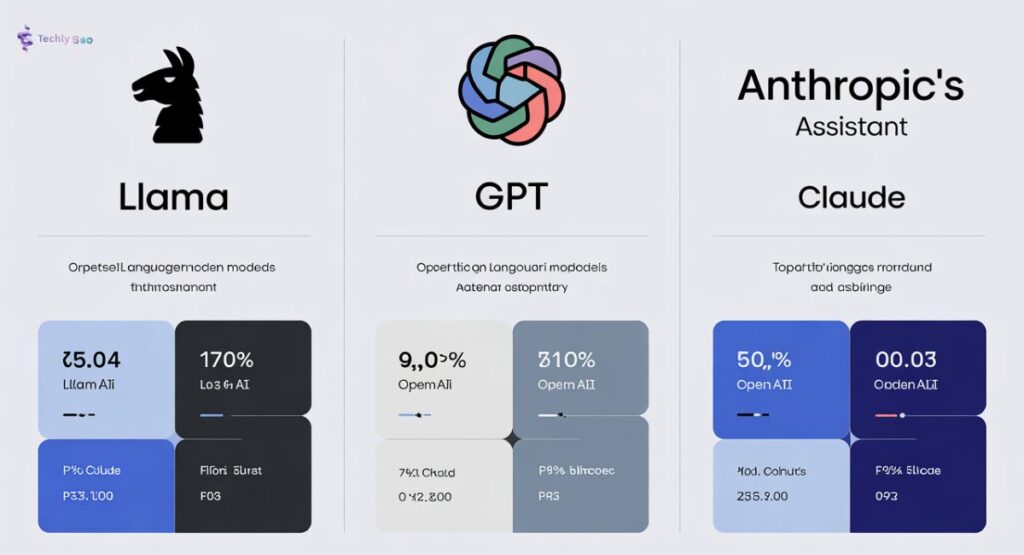
Open-source vs Proprietary Model
There are two kinds of models: open-source and proprietary. Open-source models like Llama are free to use and can be changed. Proprietary models like GPT-4 or Claude are owned by companies like OpenAI or Anthropic. You can’t change them, but they are very powerful and easy to use.
Here is a table to understand the GAN vs Transformer model difference:
| Feature | GANs | Transformers |
| Output Type | Images, media | Text, conversation |
| Structure | Generator + Discriminator | Encoder + Decoder |
| Use Case | Fake images, filters | Chatbots, AI writing |
| Speed | Slower | Faster |
Training and Deployment Options
You have the option to train your own models, utilize pre-trained models, or fine-tuned models. Models that have already been trained are immediately usable.
You don’t need special tools. These are excellent for small companies. Fine-tuned models provide you more flexibility since they let you train the AI on your own data, such emails or support requests.
Some companies build enterprise AI solutions using their data. They train focused models to fit their way of working. This is helpful for business automation, HR automation, and IT operations automation. The greatest choice will depend on what you need and how much money you have.
Costs and Budgeting for Generative AI
The cost depends on how you use Generative AI. Using ChatGPT for business is low-cost if you just need text help. Paid tools like ChatGPT Pro cost around $20 per month. But if you train your own model, it may cost thousands in servers and data.
A smart way to start is API integration. You pay only for what you use. For example, OpenAI’s GPT-4 costs $0.03 to $0.06 per 1,000 tokens. Many U.S. startups choose GPT-based automation tools because they’re powerful and flexible.

Data Privacy and Security in AI Systems
Privacy is a big concern. People want to know how secure their data is when AI uses it. Companies are required to abide with the CCPA and GDPR.
This is important for ethical use of generative AI. If done wrong, AI may leak data or give false answers.
For safe use, data must be cleaned and reviewed. AI for enterprises must be built with secure systems. Companies that use AI should always let people make the ultimate choices. This lowers risks and makes people more confident in AI-driven customer service.
Future Trends in Generative AI and LLMs
What CEOs are saying about AI is that it helps them save time, money, and increase output. Many of people think that Gen AI will be in charge of the next wave of AI in the digital revolution. Tools will become smarter, faster, and more visual.
In the U.S., AI for sales and marketing is growing fast. New trends include real-time image generation, video editing, and voice-based LLMs. The future is about better tools for everyone, not just tech experts. AI is becoming your smart assistant at work.
Conclusion
It’s clear that Generative AI and Large Language Models (LLMs) for Beginners in 2025 are more than simply a tech trend now that you know what they are.
They’re changing how businesses work and how people live. From writing and learning to helping doctors and running companies, the uses are endless.
Start small. Use ChatGPT or other tools to solve simple problems. As you learn more, you can build bigger projects. Whether it’s customer support automation, content writing, or employee training, Gen AI is here to help. And it’s just getting started.
FAQs
1:Q: What is the difference between Generative AI and LLM?
A: Generative AI is a broad technology that creates new content like text or images, while LLMs are a type of Generative AI focused on understanding and generating human language.
2: Q: What are LLMs for dummies?
A: Large Language Models (LLMs) are smart computer programs trained on huge amounts of text to understand and write like a human.
3:Q: What is Generative AI in simple terms?
A: Generative AI is a type of artificial intelligence that creates new content like text, images, or code from a prompt you give it.
4:Q: What is Gen AI for dummies?
A: Gen AI is like a smart assistant that uses AI to write, draw, or solve problems by learning from a lot of online information.
5: Q: What is the main goal of Generative AI?
A: The main goal of Generative AI is to produce original content that’s useful, human-like, and creative based on the input it receives.