
Introduction to AI in Marketing Forecasting
AI in marketing forecasting is changing how businesses plan and grow. Today, brands use predictive analytics in marketing and data driven forecasting to understand future demand. Instead of guessing, you now rely on real time data analysis and AI based marketing insights to make smart moves.
AI doesn’t just look at facts from the past. You combine structured and unstructured data and turn it into predictive signals. This improves forecasting accuracy and helps you build a strong data driven marketing strategy that works in real conditions.
What Makes AI in Marketing Forecasting Different from Traditional Methods
AI works faster and smarter because of pattern recognition and machine learning in marketing. It studies behavioral patterns and gives real time insights, which help you act before your competitors.
The Evolution of Marketing Forecasting
In the past, marketing teams relied on experience and basic reports. There are now AI marketing forecasting models that use forecasting models in sales and marketing models to get more accurate results. This shift allows businesses to move from guesswork to smart planning.
Modern forecasting uses model training and validation and strong data pipelines. These systems process large datasets and provide probability ranges instead of single answers. This helps you prepare for multiple outcomes using scenario planning.
How AI Finds Market Trends Early
Artificial intelligence helps find trends before they become popular. It looks at a lot of data very fast. The system reads search queries, reviews, and social media posts. This is done with natural language processing.
This process supports marketing trend prediction. It gives early signs of what people like. These signs are called predictive signals.
AI also uses time series algorithms. These study patterns over time. They use past and current data together. This improves forecasting accuracy.
With real time insights, you can act quickly. You can adjust your plan before the trend grows big. This is called data driven forecasting and it gives you an edge.
Understanding Consumer Behavior with AI
AI makes consumer behavior analysis simple. It studies how people act, not just who they are.
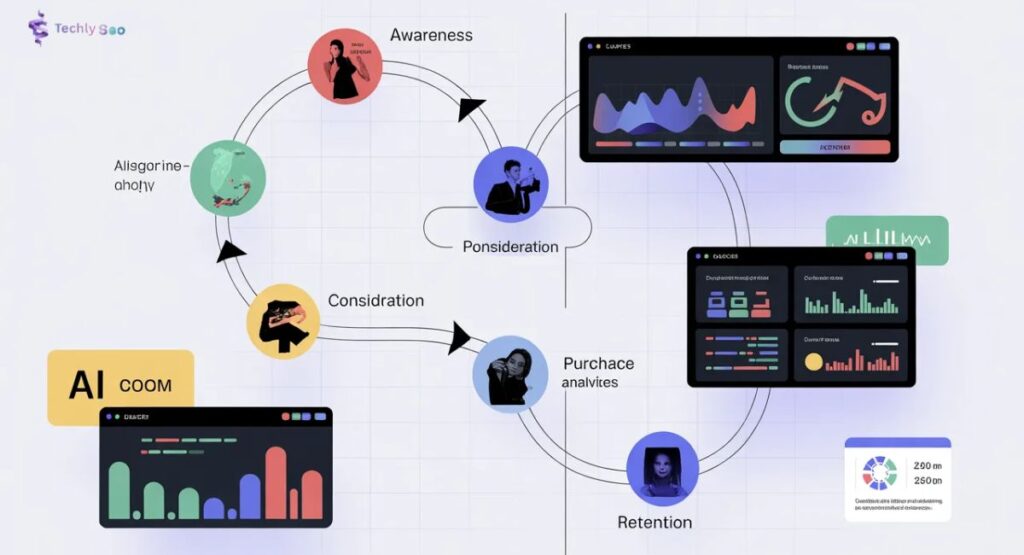
It uses customer journey analysis to track each step a user takes. It also uses clustering algorithms. These group users by actions and behavioral patterns.
This system also studies emotions. It uses sentiment analysis and sequence models. This helps understand how people feel and react.
With this, you can improve personalization and customer segmentation. You are able to talk with the correct person. This makes your marketing stronger.
Key Uses of AI in Marketing Forecasting
AI marketing forecasting is used in many ways. Businesses use demand forecasting using AI to manage stock. This helps avoid waste and loss.
They also use sales prediction models to estimate future sales. This improves planning and profit. Marketing performance prediction helps check what works and what does not. It improves your return on investment.
Below is a simple table showing key applications:
| Application | Benefit |
| Demand Forecasting | Better stock planning |
| Sales Prediction | Higher revenue accuracy |
| Campaign Analysis | Improved ROI |
These tools use regression models and neural networks. They learn from structured and unstructured data. Over time, they get better with model training and validation.
How AI Improves Marketing Strategy
AI helps build a strong AI powered marketing strategy. It uses real data, not guesswork.
With AI decision making in marketing, you can plan better. You can focus on what brings results.
AI tools for marketers track performance metrics. They also turn raw data into useful insights. This is done using feature engineering and data pipelines.
This leads to a better data driven marketing strategy. You make smarter choices and use your budget well.
AI and Daily Marketing Work
AI makes daily work easier. Marketing automation with AI handles emails, ads, and campaigns.
It uses automation workflows to save time. You can focus more on ideas and creativity.
AI forecasting tools and marketing analytics AI bring everything together. They help with planning, running, and checking campaigns.
This creates a smooth system. Work becomes faster and more organized.
Challenges and Risks of AI
AI is helpful, but it has some problems. One issue is data quality. Bad data leads to wrong results. That is why data governance is important.
Another problem is bias in AI models. If data is unfair, results will also be unfair.
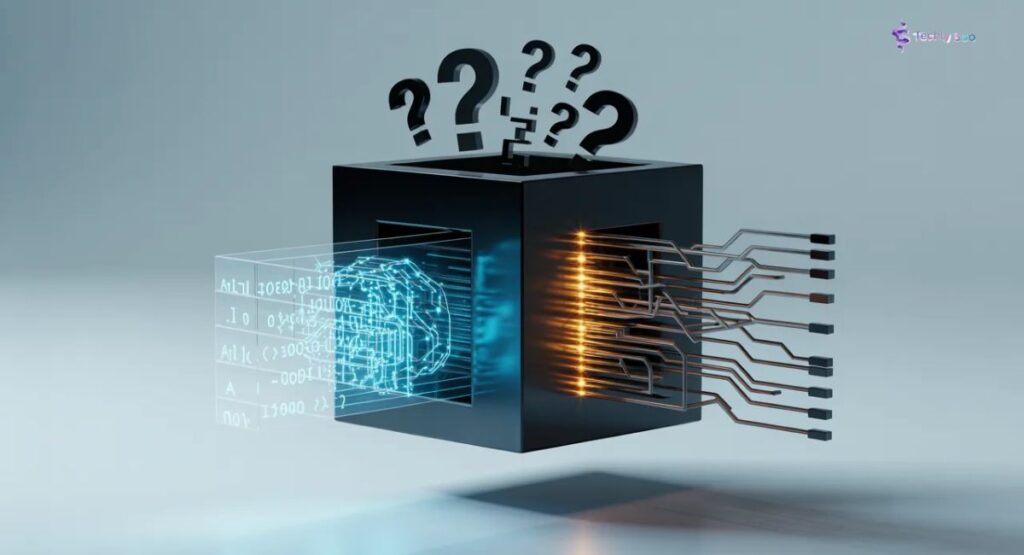
Some people do not trust AI. They don’t know how it works. This is where explainable AI helps. It shows how decisions are made. It is very important to use AI in the right way.
Future of AI in Marketing Forecasting
The future of AI marketing forecasting looks bright. Tools will become faster and smarter.
Machine learning in marketing will improve predictions. It will handle complex scenario planning and probability ranges better.
This tool will give more real time data analysis. Businesses will test ideas quickly and grow faster.
With better forecasting models in marketing, results will improve. AI based marketing insights will guide every step.
Conclusion
AI marketing forecasting is now very important. It helps you see trends early. It helps you understand customers better.
With predictive analytics in marketing, you can make smart decisions. You can stay ahead of others. As technology grows, AI will become a must. If you start now, you will build a strong and successful future.
Top of Form
Bottom of Form